Packaging Quality Planning & Inspection Checklist
A packaging quality control checklist should identify what will be checked, against which reference, by whom and at what stage. Start with the risks that matter to your product and packing process. Our focus is coordinating that plan and its records; this page does not offer accredited testing or imply every item receives a laboratory test.
From packaging idea to a reviewable brief
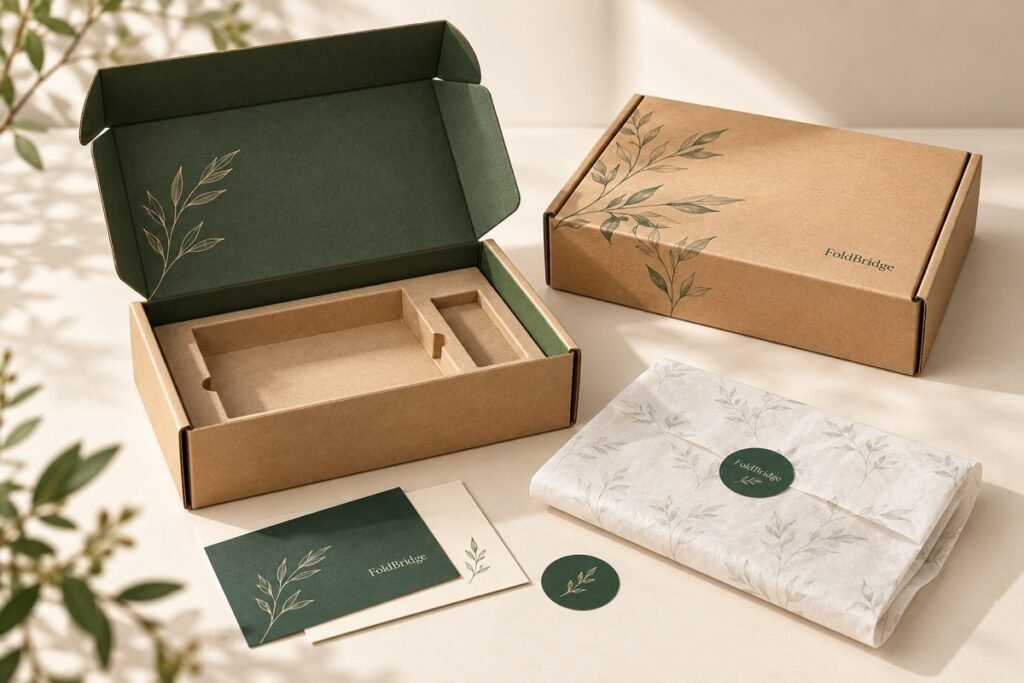
Use a visual reference to discuss the component family, opening experience and material direction. Approve dimensions, fit, artwork and the actual finish against a labeled physical sample.
A clear sequence for shared decisions
-
01
Define reference
-
02
Agree checks
-
03
Record deviations
-
04
Close open actions
Define an acceptance reference for each check
Swipe across the table to compare all details.
| Category | Example question | Record needed |
|---|---|---|
| Dimensions and fit | Does the approved product fit the specified box and insert? | Specification revision, measurement method and agreed acceptance limits. |
| Print and appearance | Does the component match the relevant approved reference? | Artwork version, physical reference and agreed visual criteria. |
| Assembly and function | Can the intended packing and opening actions be performed? | Representative pack-out, procedure and observations. |
| Identification and quantity | Are the correct SKU versions and component quantities present? | Component list, labels and packing records. |
| Transport performance | Is the complete shipping configuration suitable for its intended route? | Agreed evaluation method, responsible party and resulting evidence. |
Keep checking separate from assuming
A quality plan should name the reference before an inspection begins. Avoid deciding whether a mark, fit or color difference is acceptable only after goods are produced. If a numeric tolerance or test method is needed, agree it with the relevant production or testing party for the actual product and application.
Record who checks each item and when. A supplier's production checks, a buyer's sample approval and an independent inspection are different activities. Do not describe one as proof that the others occurred. A certificate also needs to be relevant to the entity, material or process being claimed.
When an issue is found, identify the affected component and revision, the evidence, the proposed correction and the person who will decide the next step. A conditional acceptance should state its conditions. Keep unresolved issues visible until the responsible party records a decision.
Questions before you commit
Is sample approval the same as a production inspection?
No. A sample approves a defined reference and scope; inspection evaluates the produced goods under an agreed arrangement. Keep both records and confirm how the production checks relate to the approved sample and specification.
Can you guarantee a zero-defect order?
This website makes no zero-defect guarantee. A useful quality plan defines acceptance criteria, inspection responsibility and how nonconforming items will be handled. Those terms should be agreed before production is released.
Who should decide the acceptance criteria for custom packaging?
The buyer and the proposed production or inspection parties should agree project-specific criteria before release. Identify measurable requirements, physical references, inspection scope and responsibility for open issues. A generic checklist can organize the conversation, but does not establish an agreed acceptance standard.
How should I handle a defect found in a packaging sample?
Describe the issue, identify the affected revision and attach a clear reference during the project conversation. Agree corrective action and the checks needed before approval. Keep unresolved points visible in the record so a sample is not treated as fully accepted while an important issue remains open.
Make the next decision with a clear brief
Share the product, quantity per SKU, destination and the questions still open. Specifications, costs and timing are confirmed after project review.